


Table of Contents
Let’s talk about burnout
We’ve all heard the word before. Maybe even thrown it around casually-“Ugh, I’m so burnt out!” But burnout isn’t just about being tired. It’s that deep, bone-heavy exhaustion that doesn’t go away after a good night’s sleep. It’s the emotional numbness when your inbox pings, the cynicism creeping in when you’re usually the optimistic one, the feeling that no matter how hard you work, it’s never enough.
Burnout has officially been recognised by the World Health Organisation as an “occupational phenomenon.” It’s more than stress-it’s prolonged stress, without adequate recovery. And it’s taking a toll on professionals, students, parents, caregivers, creatives-anyone with a pulse and a calendar.
Among the many recovery strategies out there (therapy, digital detoxes, bubble baths), there’s one ancient tool that’s been quietly, powerfully helping people bounce back for centuries: Thai massage.
Not your average massage
Forget the candles and background Enya for a moment. Traditional Thai massage is not just a “treat yourself” luxury. It’s an active, structured bodywork therapy that’s been used in Thailand for over 2,500 years to maintain balance in the body and mind.
It’s often described as “lazy yoga,” but honestly, that sells it short. Thai massage combines deep pressure, acupressure, passive stretching, joint mobilisation, and rhythmic compression-all while the recipient stays fully clothed on a mat. It’s interactive, energising, and surprisingly meditative.

What does that have to do with burnout?
Well, let’s think about what burnout does to the body. It jacks up your cortisol levels (the infamous stress hormone), disrupts your sleep, messes with your digestion, tightens every muscle from your jaw to your glutes, and basically hijacks your nervous system. You live in “fight or flight” mode-chronically.
Thai massage, in contrast, is like an ambassador for “rest and digest.” It engages the parasympathetic nervous system-that’s the one responsible for helping your body relax, recover, and regulate itself. Studies have shown that Thai massage significantly reduces cortisol, boosts serotonin and dopamine (hello, happy hormones!), and improves sleep quality.
How it works on your body and mind
Let’s say you’re lying on the mat, and your therapist begins gently stretching your legs, pressing along the energy lines in your thighs, working into your lower back. You start to feel… lighter. Maybe even taller. Your shoulders melt downward. Your breath slows down. You didn’t even realise how tense your jaw was until it lets go. That’s your body stepping out of survival mode and into healing.
And here’s a cool fact: many Thai massage movements target vagal tone-the function of the vagus nerve, which is like your body’s built-in stress relief switch. Improving vagal tone can actually help regulate your heart rate, improve digestion, and reduce inflammation. Sounds like a pretty great burnout antidote, right?
Why Thai massage is suited to burnout
Here’s what sets Thai massage apart from a typical Western-style massage if you’re dealing with burnout:
- It’s energising, not just relaxing. Burnout often comes with fatigue that’s mental and physical. Thai massage clears energy blocks and restores natural body flow using acupressure, so you don’t just feel soothed-you feel recharged.
- It brings you into your body. Burnout can feel like floating above yourself, just going through the motions. Thai massage is grounding. You’re guided to breathe, to stretch, to feel your own physical space again.
- It balances movement and stillness. A session flows like a dance-stretch, compress, hold, breathe. It’s rhythmic and ritualistic in a way that calms the racing mind.
- It respects the body’s rhythms. No oils, no stripping down, no fuss. Just pressure, motion, and connection. That simplicity can be a relief when you’re already overstimulated.
What do real people say?
At Opulence Thai Spa in London, many of our regular clients are high-performing professionals: lawyers, techies, nurses, teachers. We hear it all the time: “I didn’t even realise how burnt out I was until I got on the mat.” Others tell us it’s the only time in their week they aren’t thinking about their next meeting or their phone notifications.

Is there science behind it?
Yes! Clinical studies have shown that Thai massage reduces both physiological and psychological markers of stress. A study found that even one session of Thai massage reduced salivary cortisol levels significantly and increased heart rate variability-a good indicator of stress resilience.
Other studies have linked Thai massage to:
- Reduced muscle fatigue and improved flexibility
- Improved sleep quality and decreased anxiety
- Boosted immune response and reduced inflammation markers
Making it part of your burnout recovery toolkit
Of course, Thai massage isn’t a cure-all. If you’re clinically depressed, or experiencing severe burnout symptoms, therapy and medical support are crucial. But Thai massage can be a powerful complementary tool-a way to listen to your body and give it what it desperately needs.
Start with one session. See how you feel. Then consider making it a regular part of your recovery rhythm.
Let yourself be taken care of
Burnout whispers at first, then shouts. Before it screams you into a forced break, schedule a gentle one. You don’t need to be broken to ask for rest. You don’t need to collapse before you deserve healing.
Thai massage gives you permission to pause-and it does so with thousands of years of wisdom, intention, and touch behind it. At Opulence Thai Spa, we offer authentic, traditional Thai massage tailored to modern lives and modern stress.
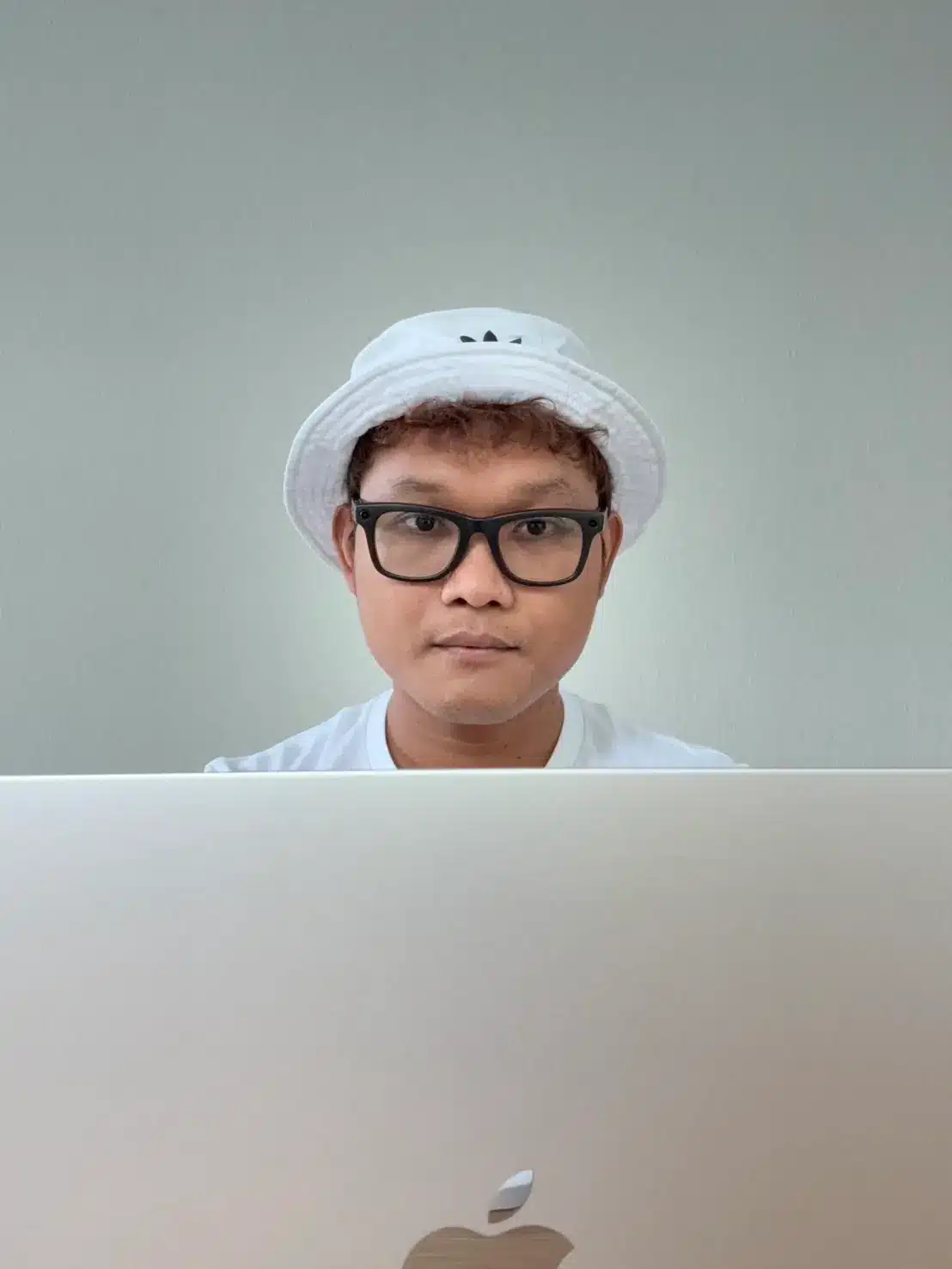
James_saidthat is the voice behind Opulence Thai Spa’s wellness articles, sharing insights on Thai massage, self-care, and holistic living. Passionate about blending tradition with modern relaxation, James inspires readers to find balance, health, and calm in the heart of Covent Garden.
When not writing, James enjoys exploring London’s hidden gems, experimenting with herbal remedies, and sharing tips for living a calmer, more centred life.
 Thai Massage London
 Swedish Massage
 Deep Tissue Massage
 Advanced Deep Tissue with Hot Stone on Back
 Full Body Hot Stone Massage
 Foot Massage
 Back Neck Shoulder Massage
 Swedish With Aroma Oil
 Couples Massage London
 Pregnancy Massage
 Facial Gym
 Thai Yoga Massage
 Abdominal Massage
 Four Hand Massage
 Back Rub Massage